

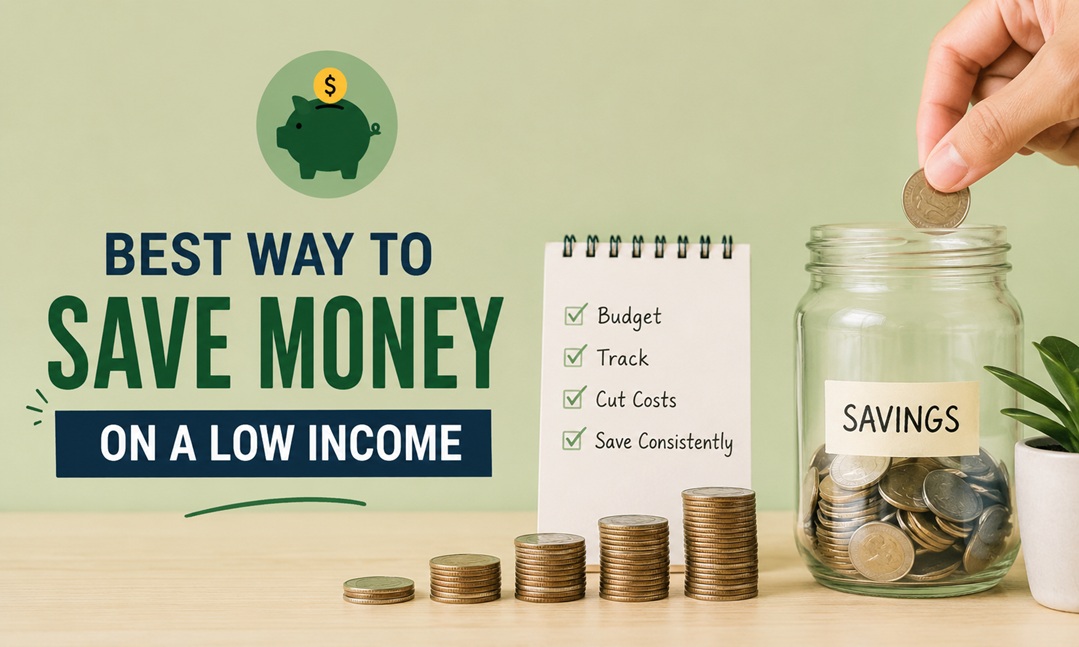
Saving money on a low income is genuinely hard. But it is possible. The best approach is to build a simple budget, cut your three largest expenses, automate even tiny savings, and make sure you are claiming every benefit or discount you are entitled to. Small, consistent steps matter far more than large occasional efforts.
The real problem most people face is not a lack of willpower — it is that the margin is so thin there seems to be nothing left to save. That is worth addressing directly.
Start With the Budget, Not the Sacrifice
Before cutting anything, you need to see where your money actually goes. Write down every expense for one month. Not an estimate — the real numbers. Most people find at least one or two things they had forgotten about.
From there, separate your expenses into three groups: things you must pay (rent, utilities, minimum debt payments), things you choose to pay (subscriptions, eating out), and things that fall somewhere in between (groceries, transport).
You can not change category one much. Focus on categories two and three.
Reducing Your Biggest Costs
Housing, food, and transport eat the largest share of a low income. Even modest reductions here create breathing room.
Food: Meal planning once a week reduces waste significantly. Buying store brands instead of name brands saves 20–30% on most grocery items. Using apps like Too Good To Go (available across the UK, Canada, and Australia) or local food bank pantries where eligible stretches a tight food budget considerably.
Utilities: In the US, the Low Income Home Energy Assistance Program (LIHEAP) helps with heating and cooling costs. In the UK, the Warm Home Discount is worth checking. In Australia, state energy concession programs exist for eligible households. Switching to energy-efficient light bulbs and being deliberate about appliance use also adds up.
Transport: If you drive, compare insurance quotes every year — loyalty to one provider usually costs money. If public transport is an option, many cities offer low-income transit passes at reduced rates.
The Automation Trick That Actually Works
Set up an automatic transfer of even $5, £5, or $5 CAD/AUD to a separate savings account the day after you get paid. Not at the end of the month when it is already spent — immediately after payday.
Most people are surprised to find they do not miss amounts that small. Over time, the habit grows, and so does the balance.
Benefits and Entitlements Worth Checking
A significant number of people on low incomes do not claim everything they are entitled to.
In the US, check eligibility for the Earned Income Tax Credit, SNAP food assistance, Medicaid, and CHIP if you have children. In the UK, Universal Credit, council tax reduction, and free school meals are worth reviewing. Canada has the GST/HST credit and the Canada Child Benefit. Australia has Centrelink supports including Rent Assistance and the Energy Supplement.
These are not handouts — they are programs funded to help people in exactly your situation.
FAQ
Can I save if I am in debt?
Yes. A small emergency fund of even $500–$1,000 actually reduces debt in the long run because it stops you reaching for a credit card when something unexpected happens. Save that first, then address debt aggressively.
What is the fastest way to find extra money?
Review your bank and credit card statements for subscriptions you forgot about. Cancel anything you do not use. That is usually the quickest $20–$50 a month most people find.
Is it worth using a savings app?
Apps like Plum (UK), Raiz (Australia), or Acorns (US) round up purchases and save the difference automatically. They are useful for people who struggle to save manually. Just check fees — some apps charge a monthly cost that reduces the benefit at lower balances.